I know – I have missed on of our days in Akureyri. It was beautiful and sunny and there are things to say – but – today was so unexpected I will talk about it first then go back. (I actually must to go back because I feel compelled to share the history of the Herring Girls.)
The weather forecast was all over: below zero, above zero, clouds, rain and snow. With a backpack loaded with extra jackets and gloves, we headed off.
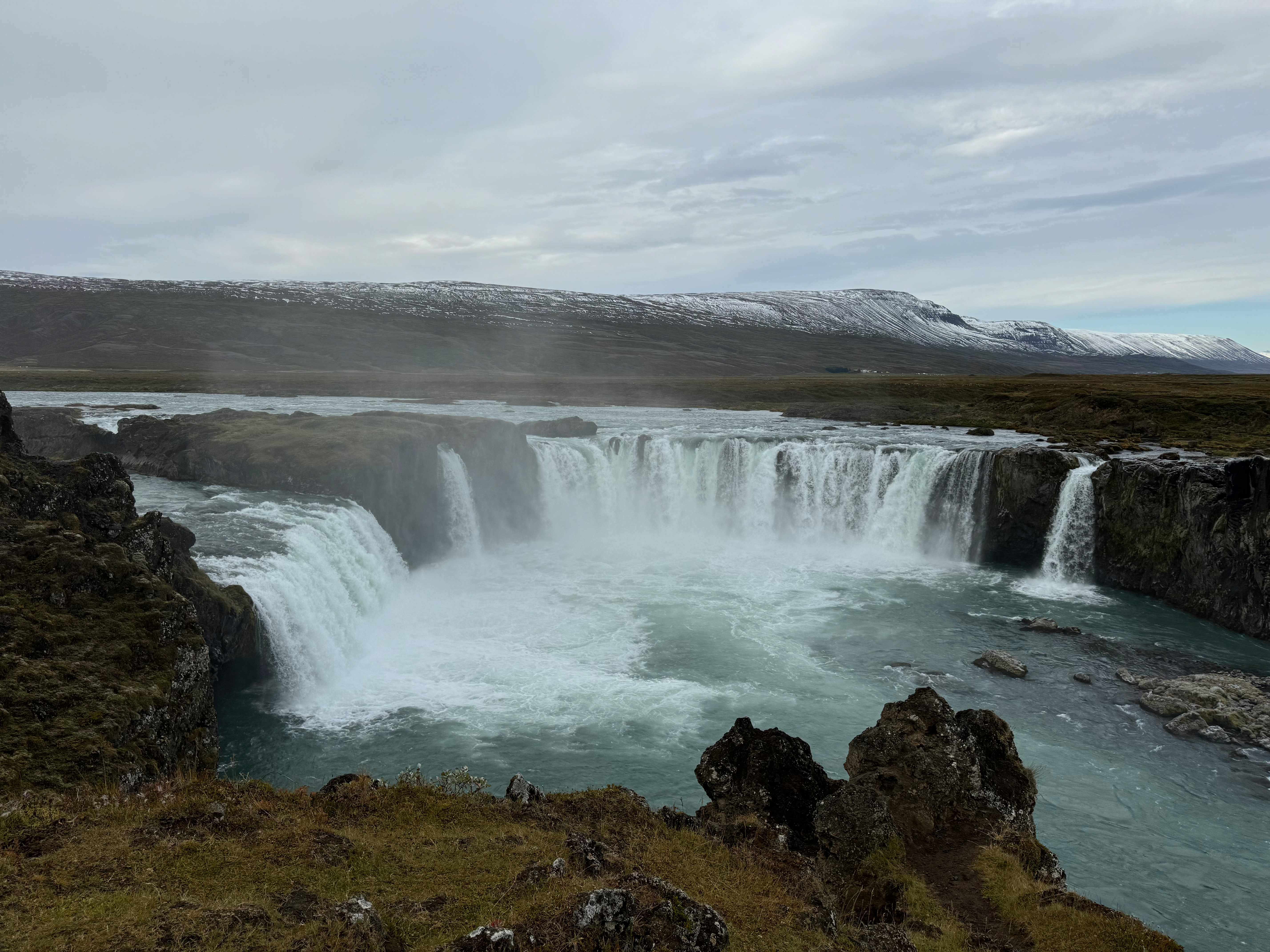
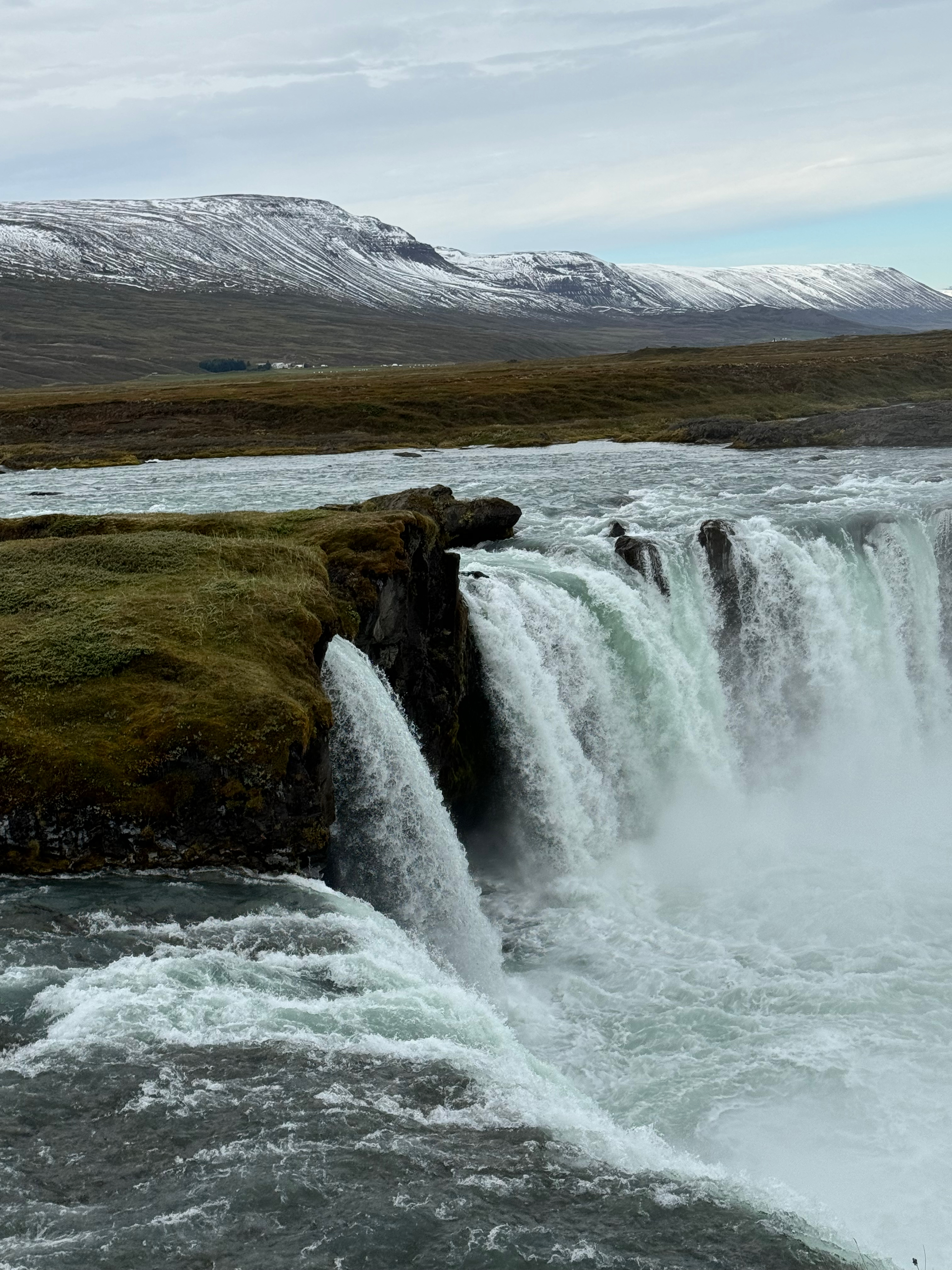
Our first stop was Godafoss. Amazing! I appreciate that there are waterfalls everywhere in Iceland – many just burbling along beside the road. My little guide book says something like “…one of the most spectacular waterfalls in Iceland.” and it is not wrong. It is about 12m tall and wraps around in a semicircle of about 30m.
According to legend, in 1000 AD, the chieftans gathered at Althingi, their place of parliament, to decide on uniting Iceland with one religion. They could not agree as to whether that should be paganism or Christianity. Thorgeir Thorkelsson, a chieftain and Althingi law-speaker, decided on Christianity after contemplating for three days and nights under a fur blanket. There were compromises offered, pagans could still practice their religion in private and several of the old customs were retained (like eating horse meat). When he returned home, Thorgeir Thorkelsson removed his statues of the Norse gods from his family temple and threw them into the nearby falls, branding it the Falls of the Gods.
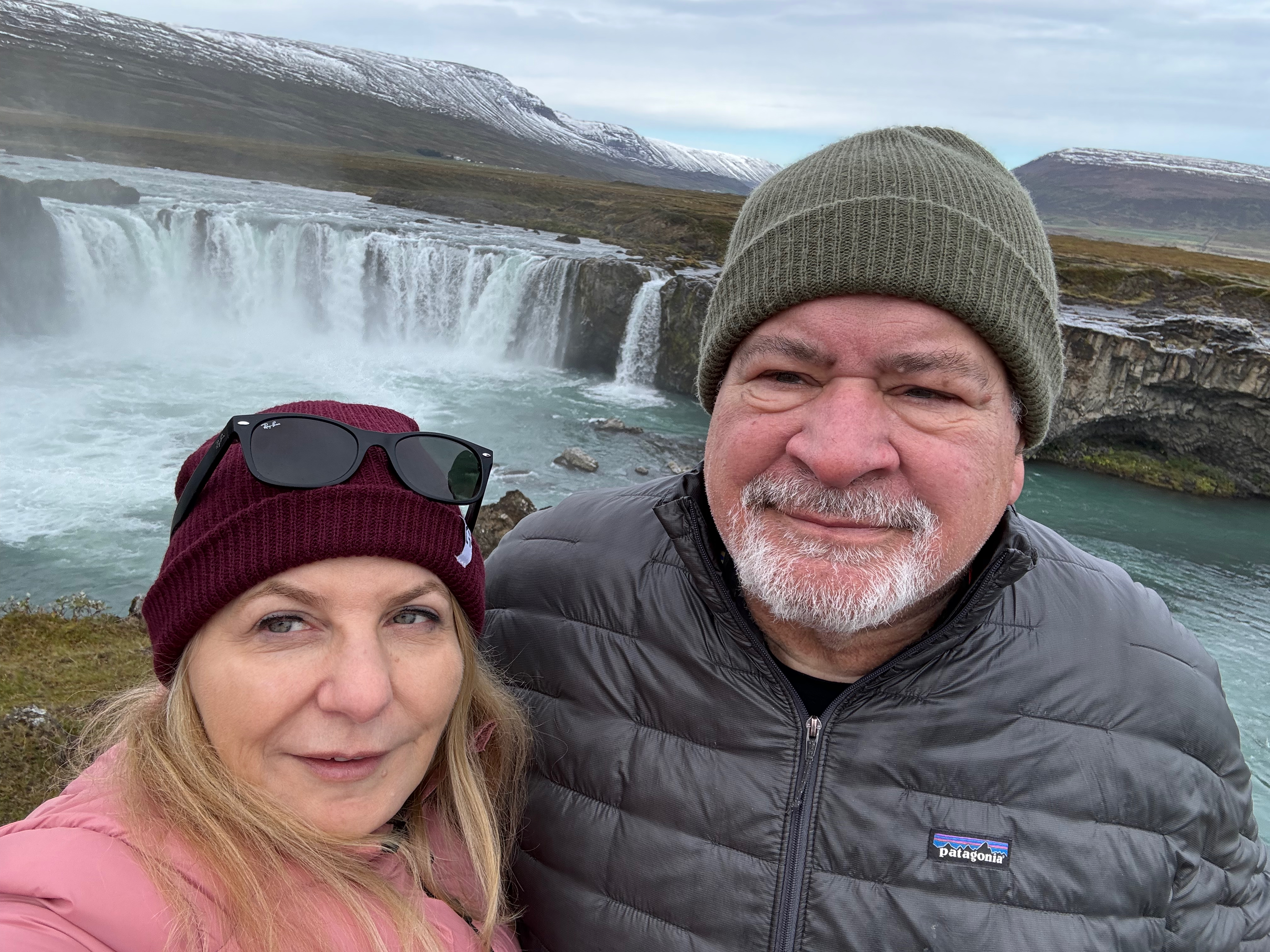
I took a lot of photos. The falls were beautiful from above, and could also be viewed from below by taking a rather narrow and slippery stone staircase to the lava rocks below.


I also spotted these little frozen treasures we were walking back to the bus.


Our next stop was the skutustadir on the southern section of Lake Myvatn. (Midges Lake, where there were exactly zero representatives of the 40 varieties of midges out and about today). The lake is the 4th largest in Iceland, though not very deep, averaging only about 3 feet though some areas are 50 feet. The lake is known for its large bird population which includes all of the Icelandic birds, except for the eider duck.
I know I can wander a bit but please indulge me – I have been waiting to share this little snippet about the eider ducks. During incubation, the female eiders pluck down from their breasts and use it to insulate the nest. Nests are allotted to farmers in groups. Farmers harvest the down for pillows and quilts. Where they have taken good care of their eider colonies, the females can become quite tame and do not even leave their nest when the farmer comes to harvest the down. It takes 80 nests to gather 1 kg of eider; if a farmer has only 30 nests, it may take him 3 years to harvest enough eider. One kg of eider is worth about $330 USD.
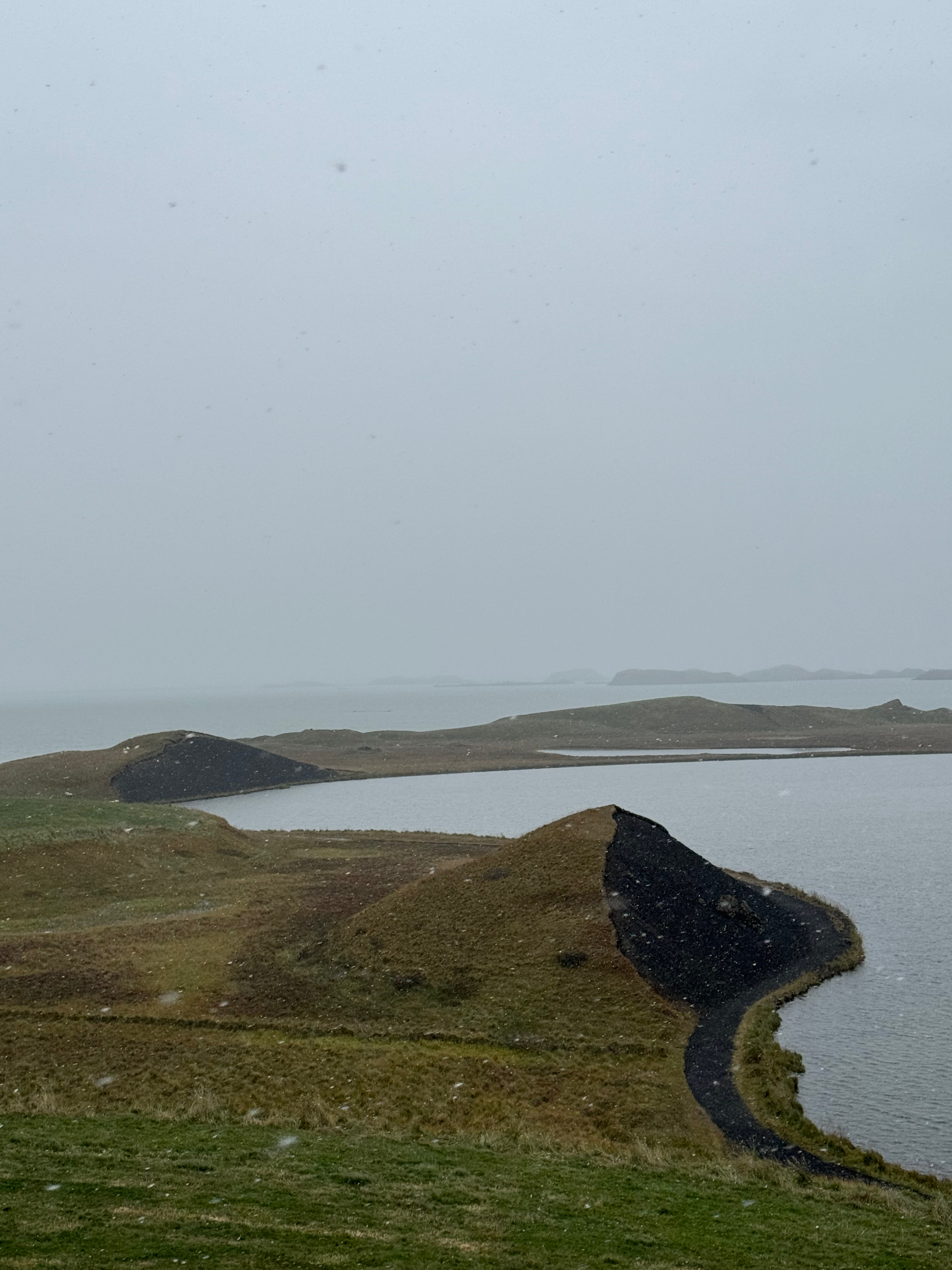
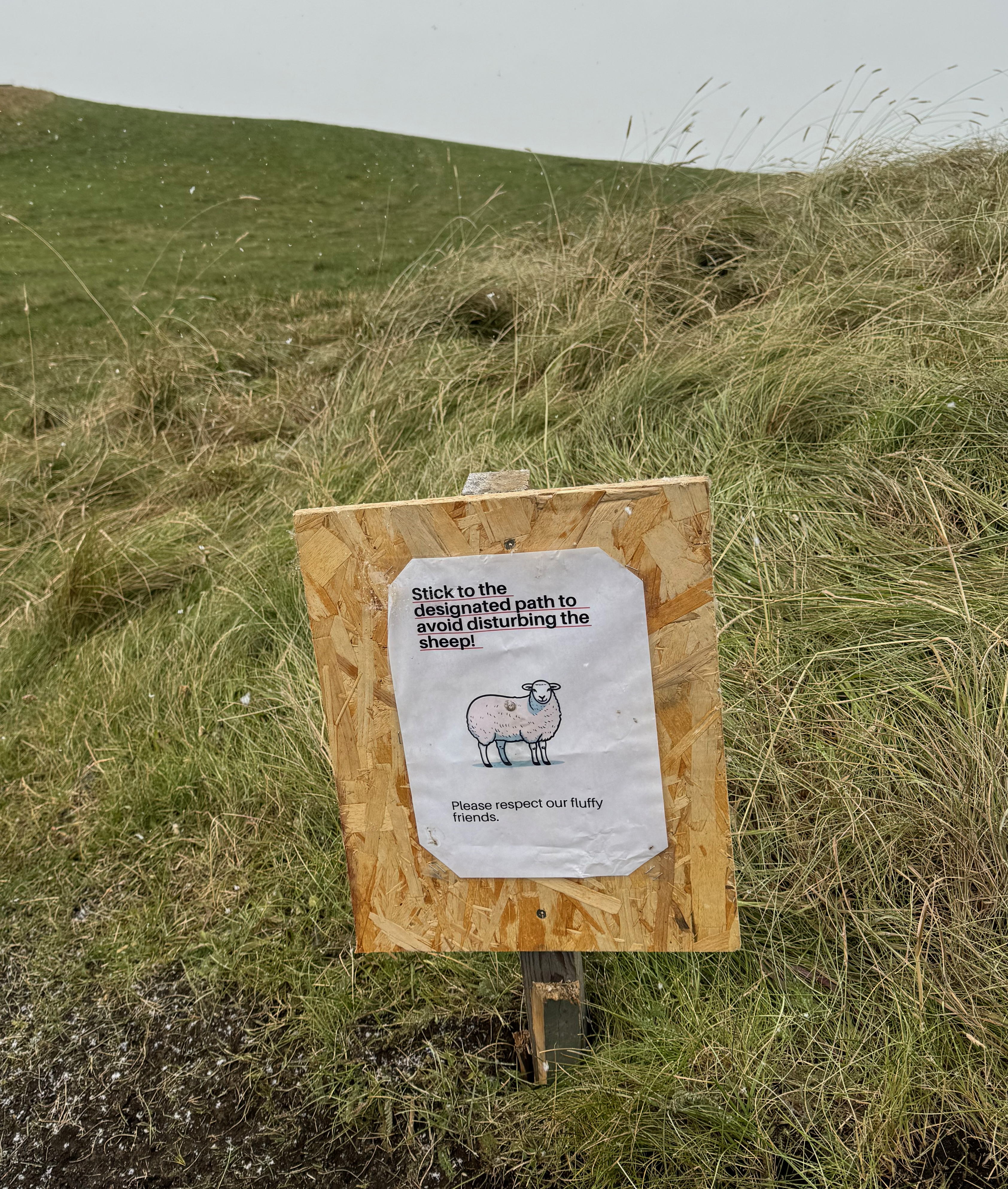
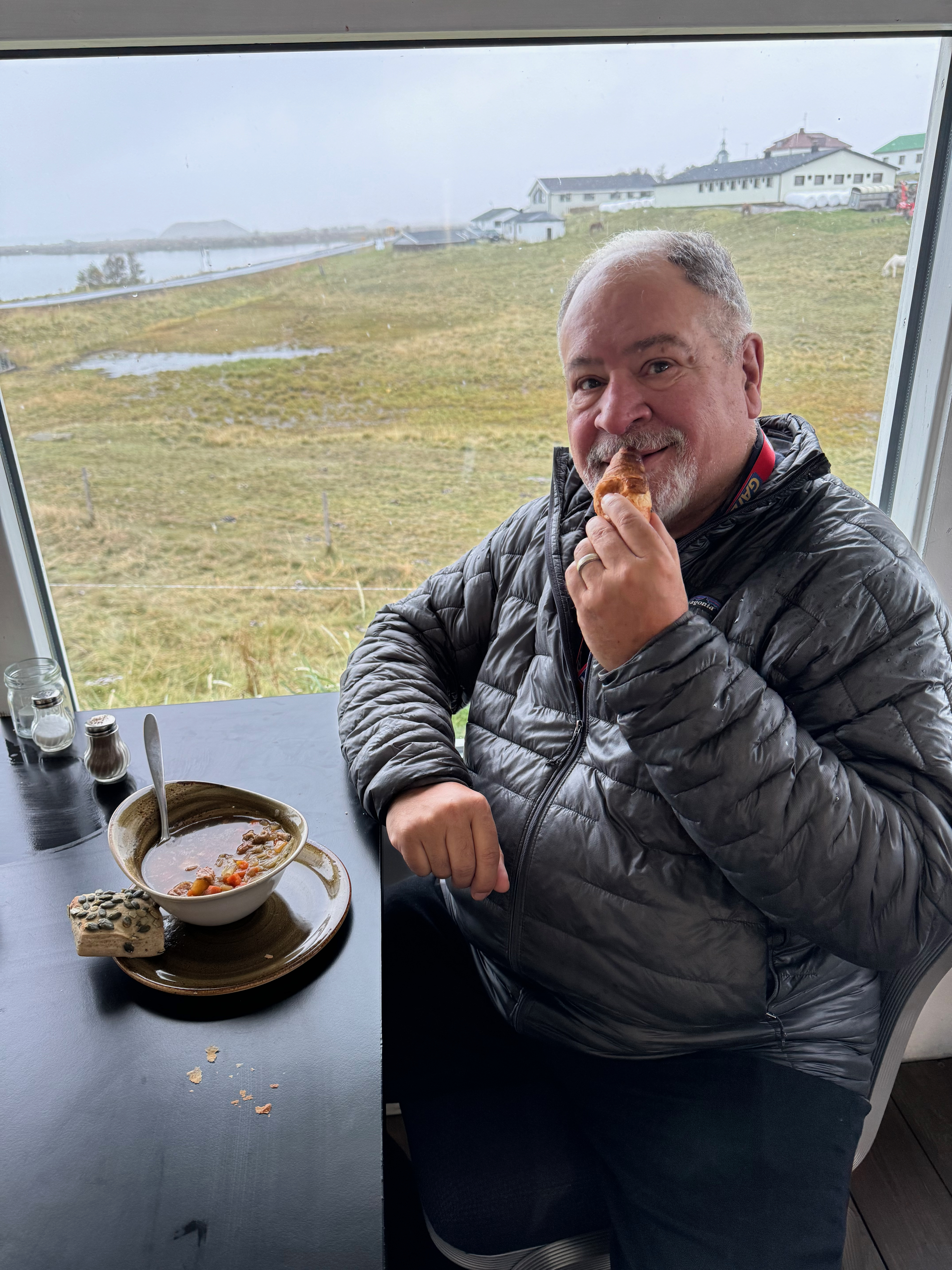
Skutustadir are pseudo-craters, formed by steam that bubbled up through the hot lava as it flowed over the marshland. I like Berclind’s analogy to cooking hot porridge. There were some nice walking paths, and we had good views over the craters. It was made more memorable by the snow that had begun to fall. Well that, and the tasty lamb soup we had for lunch. It was one of the Icelandic foods I had read about, so I was pretty happy to be able to try it. It was perfect meal on such a chilly day. The horses were clearly not bothered by the early snowfall.

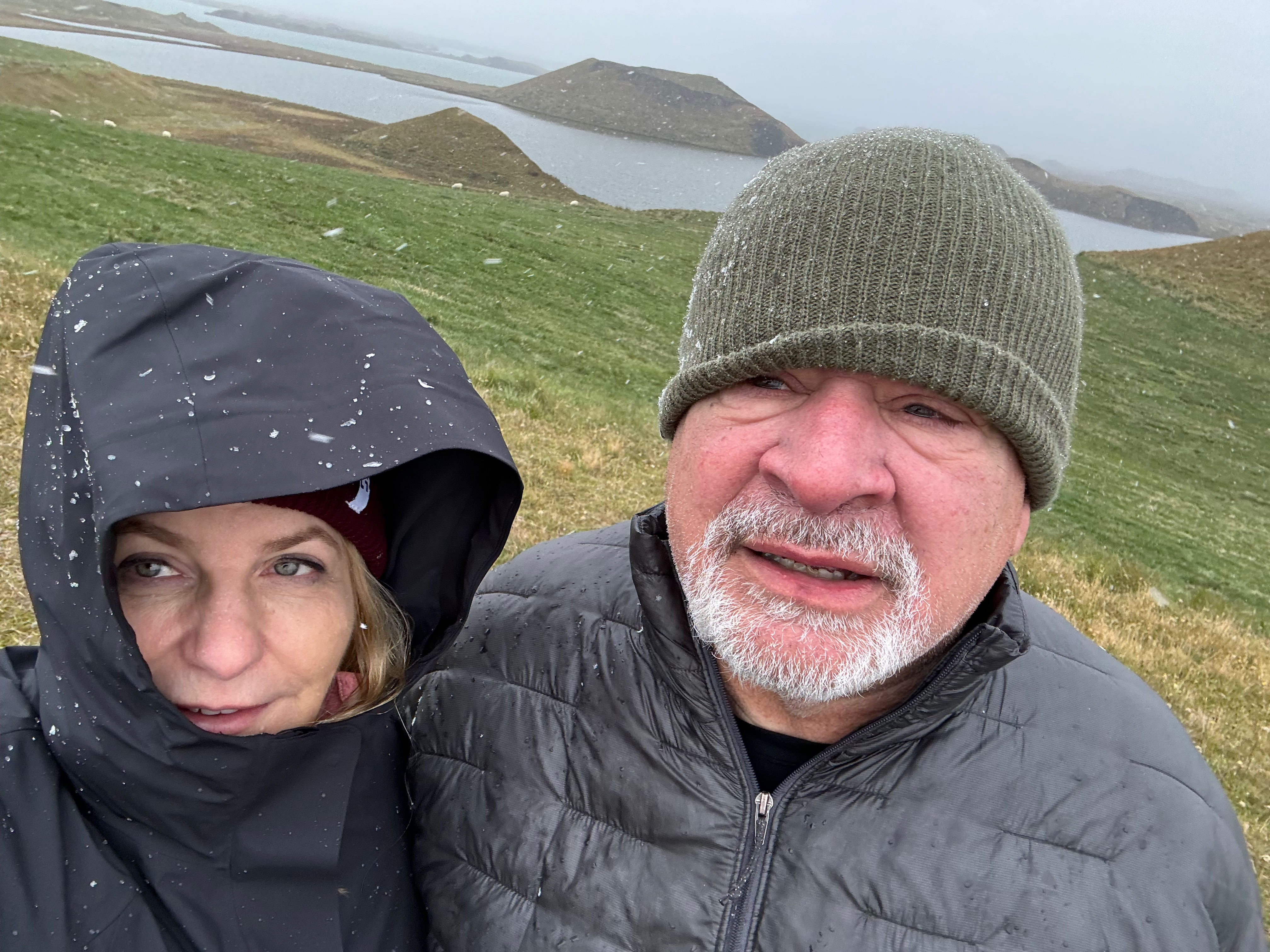

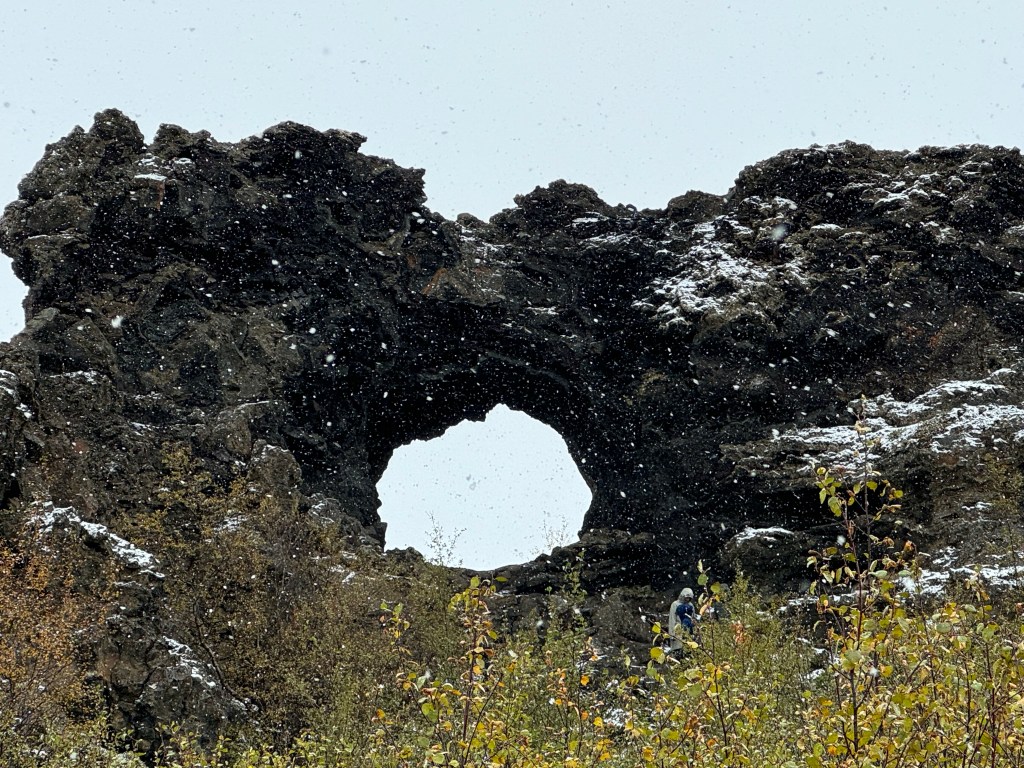
The snow continued to fall as we headed to Myndun Dimmuborga (Dark Castles) lava labyrinth, formed by an eruption about 2300 years ago. It was a bit of a slippery stroll, but there was lots of laughter as we skidded carefully along. Looking at the lava columns was a bit like watching clouds go by and using your imagination to identify shapes. Trolls and faces were the most frequent familiar shapes from my perspective.
Perhaps the labyrinth really was formed when the Trolls all got together and partied too hard – drinking, eating fried humans, etc. They were having so much fun that the sun came up they were caught unaware and were immediately turned to stone. (Trolls only come out in the dark.)


In folklore, the 13 Santas live in the caves with their parents and a cat. Gryla, is an ogress with an appetite for cooking mischievous children in a large pot. Her husband, Leppaludi, is lazy and mostly stays at home in their cave. The Yule Cat lurks about the snowy countryside during Christmas time and eats people who have not received any new clothes to wear before Christmas Eve.
The 13 sons of Gryla and Leppaludi are called the Yule Lads, a group of 13 mischievous pranksters. They and all have descriptive names that convey their favourite way of harassing. They come to town one by one during the last 13 nights before Christmas. One licks pans, one steals candles and another sausages, one is a door slammer and another a window peeper and so on.
The stories were directed at children and used to scare them into good behaviour. It has since evolved and now the Yule Lads each leave a gift in a shoe left by the window. Thirteen gifts per child must necessitate quite a number of Amazon Prime deliveries….
Over the course of the day, and the increase in elevation, the temperature continued to drop and the number of layers I was wearing increased from 3 to 4, with a 5th in the backpack for emergencies. Of course, “there is no bad weather, only bad clothing” (credit to Berclind).
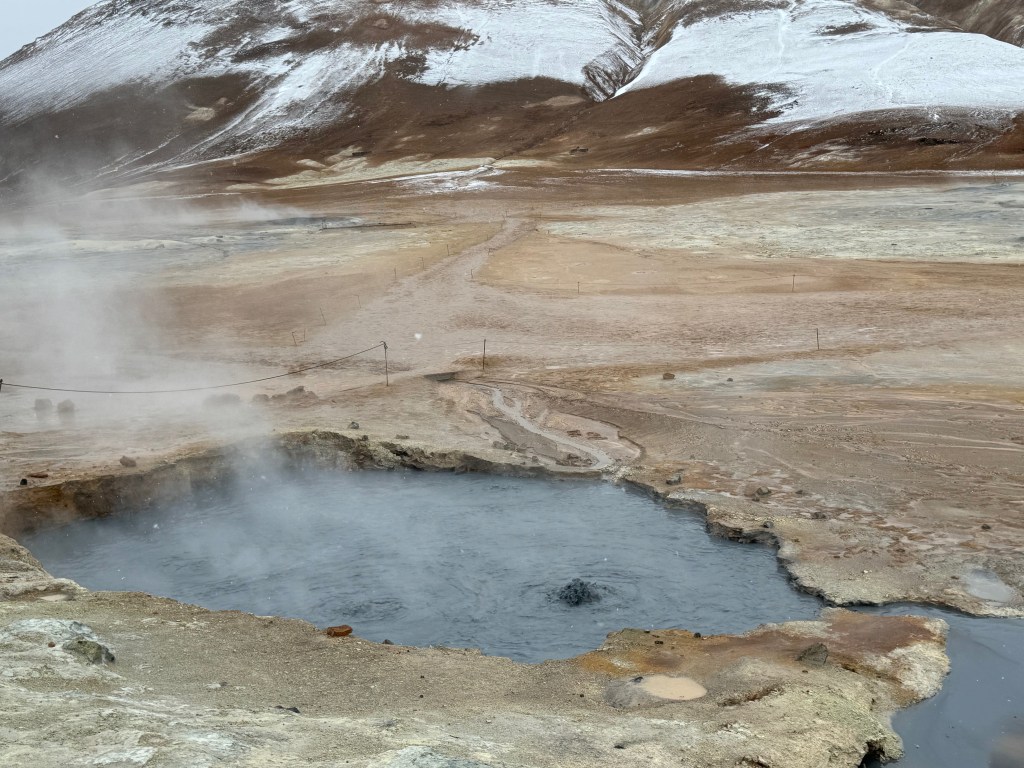
The next stop was most definitely a very muddy – and rather smelly one: Namafjall Hverir. It is a geothermal area with smoking fumaroles, vents that emit volcanic gases, and boiling mud pots. The sulphur smell in the air is very strong and gives the whole area an overwhelming smell of rotten egg. We were forbidden to step in the mud and advised that our shoes would be inspected before we would be allowed to return to the bus. :0) For extra insurance we all dragged and dipped our feet in the puddles when returning to the bus after our short and very windy walk.


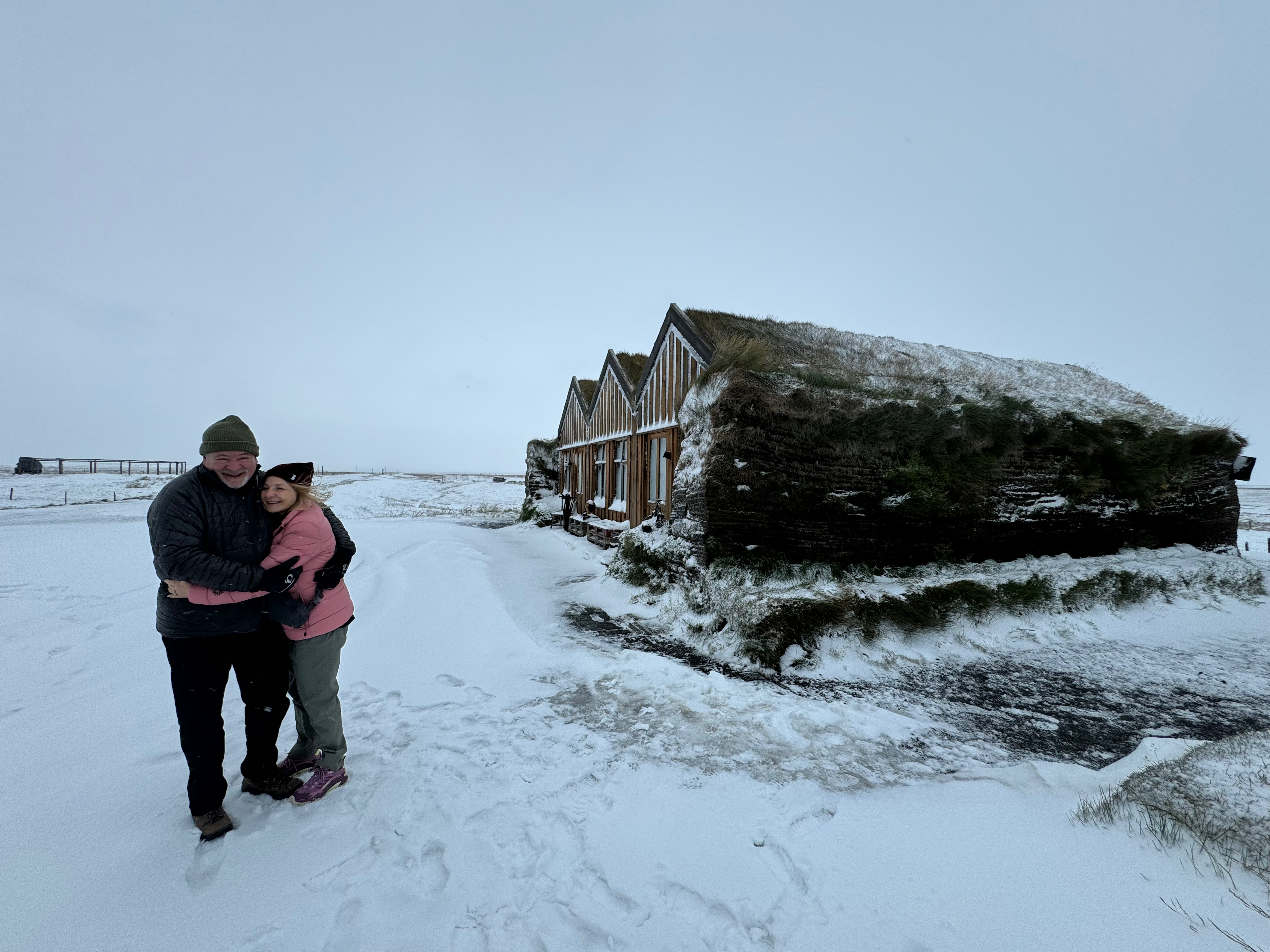
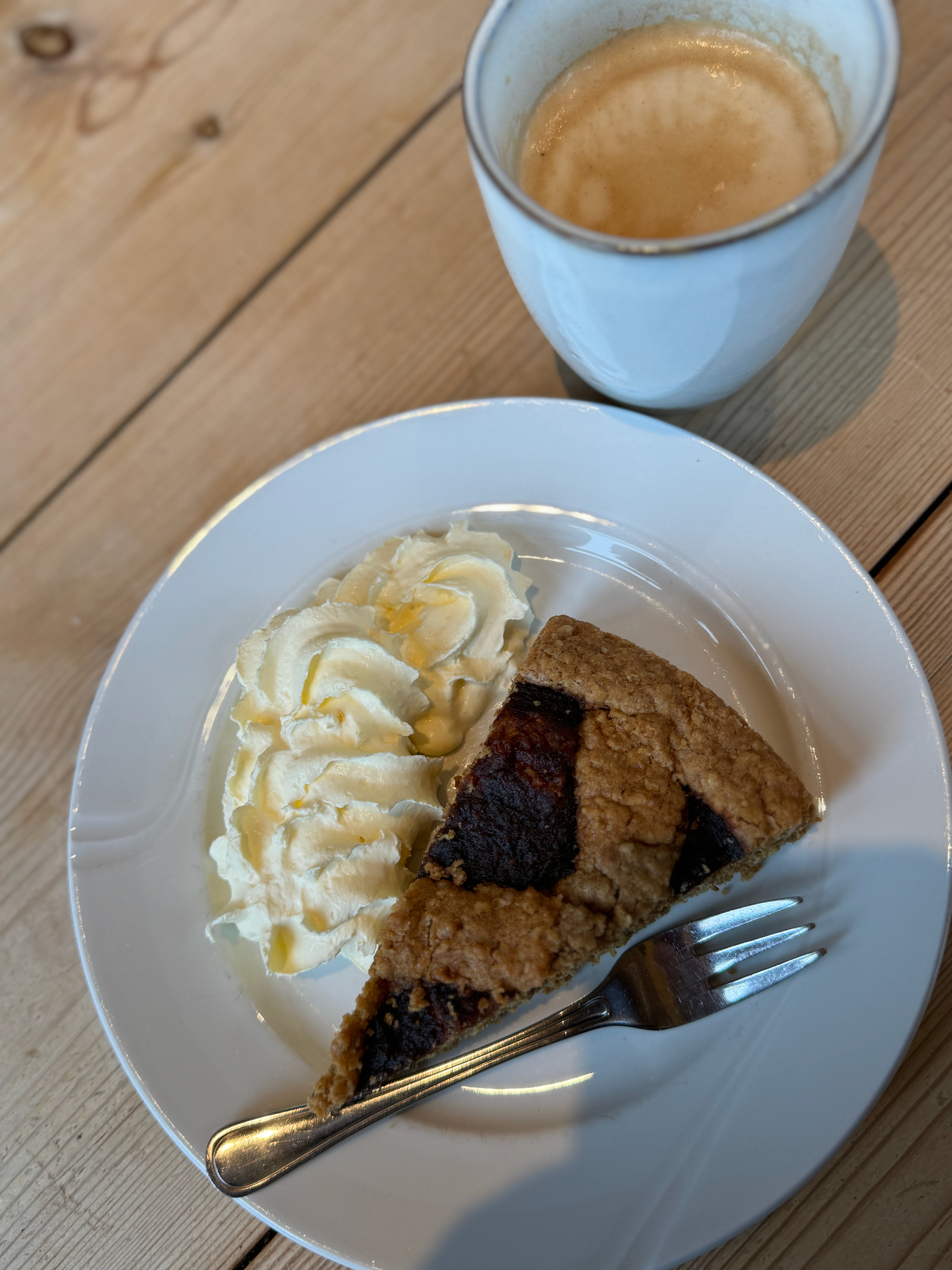
Our final stop was at the highest farm in Iceland – 1400 ft above sea level. I am not sure how much of a farm is still present there as the snow probably had any animals tucked away indoors. There was a nice little coffee shop where Rick and I shared a piece of Happy Marriage rhubarb cake. (This seemed preferable to a Love Ball – named for its doughy resemblance to a testicle.) We shivered outside just long enough to take a few photos.
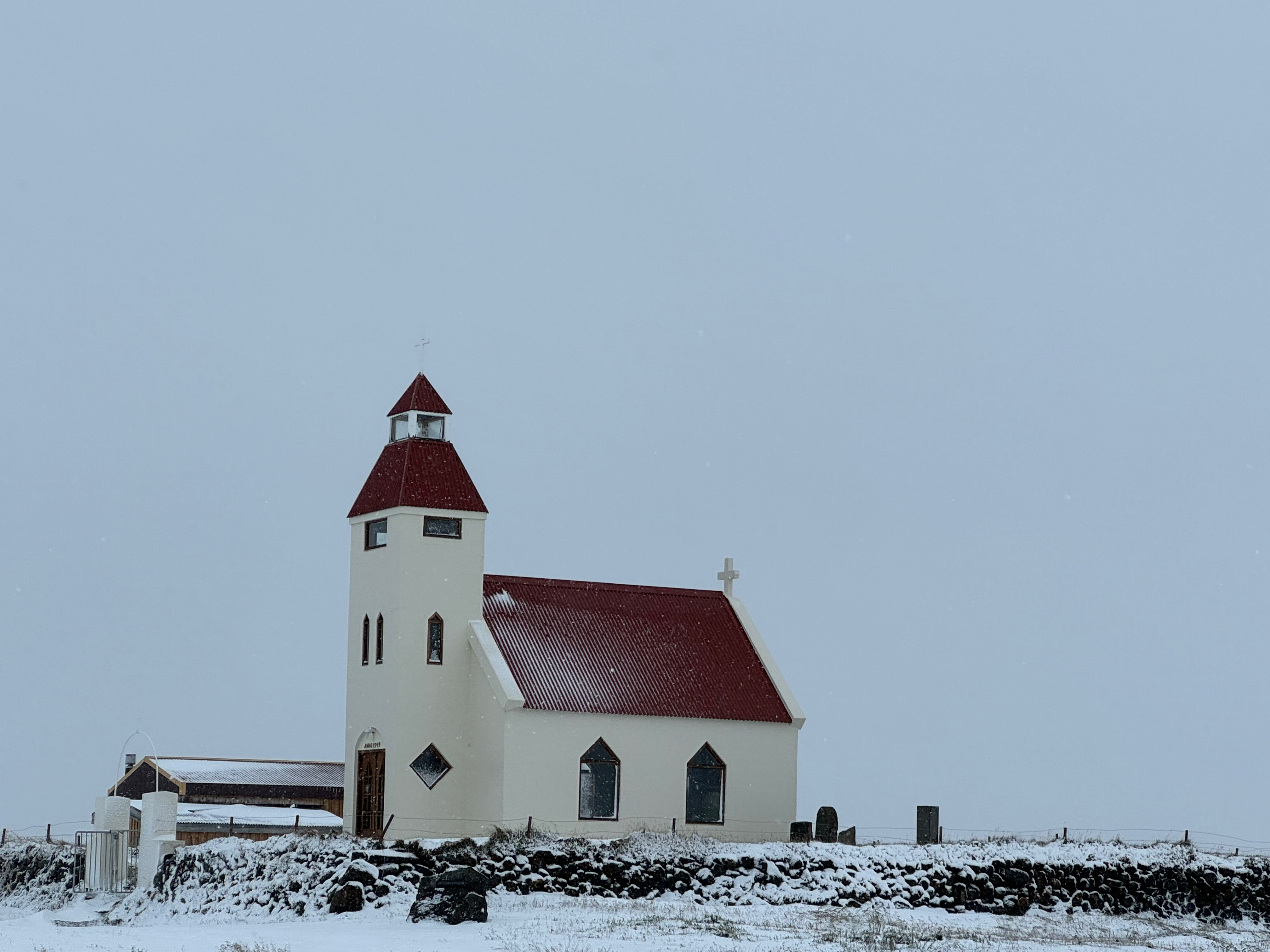
I especially like the one of the church. It was built by the last farmer after his wife passed away. She had always wanted a church there. It has a light instead of a bell so she can find her way. Such a sweet story.


The drive back was long and a bit slow at times as the snow was still falling and many other drivers were clearly nervous. In a truly amazing moment, we actually saw a grey arctic fox running across the snow. My appreciation for foxes should not surprise anyone who knows me well; this sighting was a big moment for me.
Berclind sang two very sad lullabies for us. Both were about the tragic murder of small children – which I tried not to think about too much though I can understand the poetry in principle. The melodies were lovely and the sadness palpable.
My final thoughts on the remainder of the drive were of knitting. I have looked at many Icelandic sweaters in my brief time here. They are beautiful and would be very inspiring to knit myself vs buying one. I am most inspired by a bolero style cardigan that Berclind wears, and I think I could make that work.
And now, I am taking my happy brain and tired body off to bed. I will be dreaming of needles and wool, and Icelandic yoke designs.


 Adventures of a curious mind
Leave a reply to claudia1df7dd02cd Cancel reply